Why it is important to make a business plan when opening a venue
Opening a venue is not just a matter of choosing a menu, supplies or furniture: you need a real strategic map. The business plan is the tool that allows you to plan budgets, investments and economic returns, avoiding mistakes that can jeopardize the success of the project. RGLife takes you through this strategic but too often underestimated area, focusing today on one specific aspect, that of mise en place.

>>> Also read on RGLife: Tablecloth yes or no? Find out what style of mise en place represents your venue.
When to start thinking about the budget for mise en place?
Right away, as early as the early stages of planning. The mise en place is not only an aesthetic detail, but also an element that directly affects the customer experience and the image of the venue, whether it is a bar, restaurant, or other type.
In particular, it is useful because:
- has a strong impact on brand perception;
- varies greatly depending on the format (pub, bistro, fast casual, fine dining, street food...);
- allows you to correctly estimate initial costs along with bar, lounge, kitchen and staff.
How much to invest in mise en place and equipment?
The expense depends on the type of venue and the number of covers. Here is an average estimate for a venue of about 50 covers:
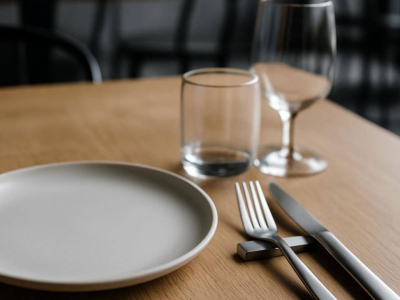
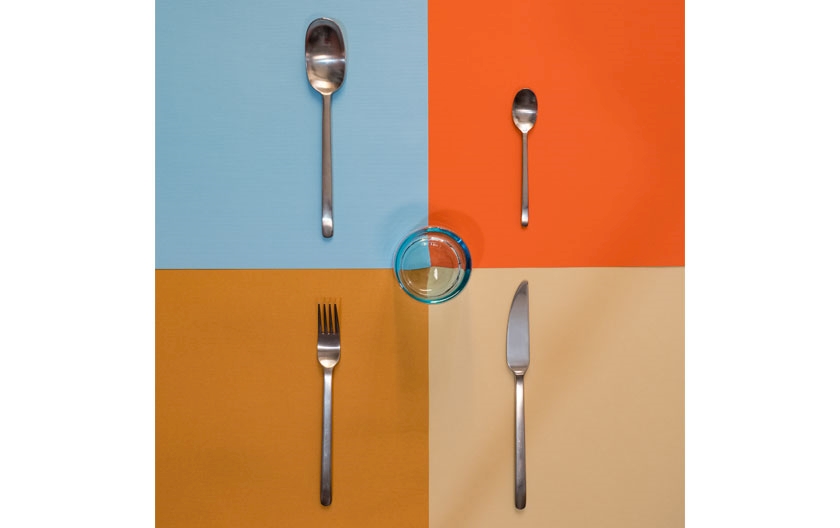
- mise en place (cutlery, plates, glasses, table linen): €2,000-€5,000
- kitchen equipment (oven, refrigerator, dishwasher, stovetops): €15,000-€50,000
- bar equipment (counter, refrigerator, blenders, tappers, coffee maker): €5,000-€20,000
Estimated initial total: €30,000-€80,000 (for an average bar).
>>> Also read on RGLife: Cutlery: how to set up a perfect mise en place by size.
Factors that influence costs
There are at least 4 factors that can influence costs:
1. Type of venue-a gourmet restaurant requires higher level materials and finishes.
2. Number of covers - more customers means more investment on supplies and mise en place.
3. Materials chosen - stainless, linen, glass, ceramic: each choice affects the budget.
4. Extra stock - best to allow for an extra 10-20% for reserves and replacements.
How quickly do you get back from the investment?
Return on investment depends on several factors: profit margins, ability to attract customers, seasonality, and management of fixed costs.
On average:
- break-even point: 12-24 months
- well-run premises: 6-12 months
- struggling premises: more than 2 years
When is it worthwhile to invest in equipment and mise en place?
- Immediately before opening, but after validating the project and finding the funds.
- It doesn't pay to save too much: aesthetics and functionality are crucial to customer loyalty.
- Investing in quality supplies reduces breakdowns and improves productivity.
- For mise en place, the golden rule is: consistency with the brand and target audience (minimal and practical if street food, elegant and refined if fine dining).
Here are some practical tips:
- choose durable and easily washable materials to reduce running costs;
- evaluate specialized Ho.Re.Ca. suppliers (did someone say RGmania?) or buy in bulk;
- do not overspend initially: the set-up can always be refined at a later stage.

In summary
In conclusion, a business plan for the mise en place of someone who is opening a venue is based in our opinion on a few assumptions:
- the business plan is the first step;
- the mise en place should be planned from the beginning;
- the total investment ranges from 30,000 to 80,000 euros;
- the average payback is between 12 and 24 months;
- quality of supplies and consistency of image are decisive factors for success.
A good business plan is not just numbers: it is the basis for turning an idea into a profitable, sustainable venue that can stand out in the market.